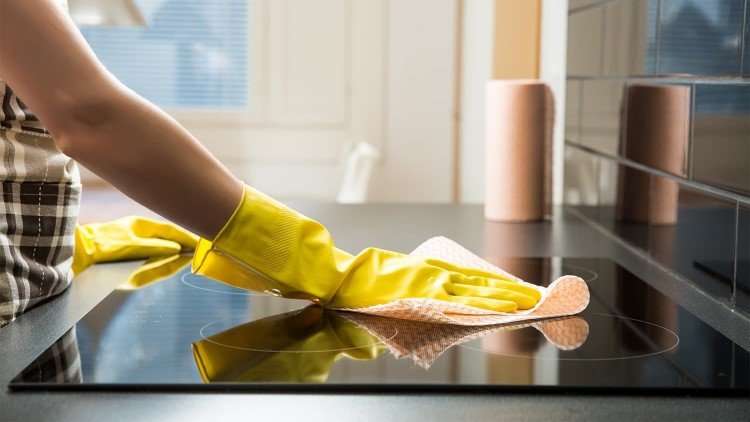
Living in Dubai means accepting sand as a permanent houseguest. What most residents don’t realize is that the constant dust infiltration isn’t just an aesthetic nuisance – it’s creating serious health and property issues that regular cleaning simply can’t address.
The fine particles that settle on your countertops are just the tip of the iceberg. The real problem lies in what you can’t see: microscopic dust embedded in your HVAC systems, carpets, and upholstery, slowly compromising your indoor air quality and potentially your health.
Why Dubai’s Dust Is Different (And More Dangerous)
Dubai’s unique desert climate creates the perfect storm for dust accumulation. Unlike typical household dirt, desert dust particles are incredibly fine – often smaller than 10 micrometers. These particles don’t just settle; they become airborne with the slightest movement and penetrate deep into your home’s systems.
The combination of frequent sandstorms, construction activity, and the dry climate means your home is under constant assault from particulates that carry:
- Silica particles that can irritate the respiratory system
- Allergens from various desert plants and organic matter
- Construction dust from ongoing development projects
- Salt particles from the nearby coast
Most residents notice their homes get dusty quickly, but they don’t realize that what they’re seeing represents only about 20% of the actual dust problem.
The Hidden Health Impacts Most Dubai Residents Ignore
Regular exposure to fine dust particles can trigger a cascade of health issues that many people attribute to other causes. Persistent coughs, frequent headaches, and unexplained fatigue are often dismissed as stress-related when they’re actually symptoms of poor indoor air quality.
Children and elderly family members are particularly vulnerable. The constant low-level exposure can exacerbate asthma, trigger allergies, and contribute to respiratory infections that seem to linger longer than they should.
What’s particularly concerning is how Dubai’s dust affects sleep quality. Fine particles that remain airborne can irritate nasal passages and throats, leading to disrupted sleep patterns that residents rarely connect to their dusty environment.
Where Dust Hides in Dubai Homes (The Places You’re Missing)
HVAC Systems: The Biggest Culprit
Your air conditioning system, running almost year-round in Dubai, becomes a circulation system for dust particles. Standard filters catch larger particles, but fine desert dust passes through and accumulates on coils, ducts, and internal components.
This creates a vicious cycle: contaminated HVAC systems blow dust throughout your home while struggling to cool efficiently, leading to higher electricity bills and poor air quality.
Carpets and Rugs: Dust Reservoirs
Carpeted areas in Dubai homes can hold up to four times their weight in embedded particles. Regular vacuuming only removes surface dust – the fine particles settle deep into carpet fibers where they continue to affect air quality every time someone walks across the room.
Behind and Under Furniture
The static charge from Dubai’s dry air attracts dust to hidden areas behind entertainment centers, under beds, and in corners where air circulation is minimal. These areas become breeding grounds for dust mites and accumulate particles that regular cleaning never addresses.
Professional Deep Cleaning Services Dubai: What Works
Effective dust remediation in Dubai requires specialized equipment and techniques that go far beyond standard cleaning methods.
HEPA Filtration Systems
Professional-grade HEPA filters capture 99.97% of particles 0.3 micrometers or larger – essential for dealing with Dubai’s fine dust. Standard household vacuums simply redistribute particles, while HEPA-equipped systems remove them from your environment.
Steam Cleaning for Deep Sanitization
High-temperature steam cleaning doesn’t just remove visible dust – it eliminates dust mites, bacteria, and allergens that have accumulated in carpets and upholstery. The heat also helps break down the static charge that causes dust to cling to surfaces.
HVAC Deep Cleaning
Professional duct cleaning involves specialized brushes and vacuum systems that remove accumulated dust from every component of your air conditioning system. This immediately improves air quality and system efficiency.
The Dubai-Specific Maintenance Schedule That Works
Monthly HVAC Filter Changes
In Dubai’s dusty environment, standard 3-month filter replacement schedules are inadequate. Monthly changes prevent system contamination and maintain indoor air quality.
Quarterly Deep Cleaning Focus
Every three months, focus intensive cleaning efforts on one area: HVAC systems in summer, carpets and upholstery before winter, and comprehensive surface cleaning during spring and fall.
Bi-Annual Professional Intervention
Twice-yearly professional deep cleaning services in Dubai address the accumulation that regular maintenance can’t handle, particularly in hard-to-reach areas and embedded contamination.
Common Dubai Dust Mistakes That Make Problems Worse
Using Feather Dusters and Dry Cloths
These tools simply redistribute dust particles into the air, where they settle in new locations. Microfiber cloths with appropriate cleaning solutions actually capture and remove particles.
Ignoring Humidity Levels
Dubai’s low humidity increases static electricity, which attracts more dust. Maintaining indoor humidity between 40-50% significantly reduces dust accumulation.
Overlooking Entry Points
Focusing cleaning efforts inside while ignoring how dust enters your home is like trying to empty a bathtub with the faucet running. Sealing gaps around windows and doors dramatically reduces dust infiltration.
Creating a Dust-Resistant Dubai Home Environment
Strategic Air Purifier Placement
Position air purifiers in bedrooms and main living areas where you spend the most time. Units with both HEPA filtration and activated carbon filters address both particles and odors.
Smart Ventilation Management
During sandstorms or high-wind days, keep windows closed and rely on your HVAC system’s filtration. During calmer periods, strategic window opening can help remove stagnant air without introducing excessive dust.
Textile Choices That Matter
Leather and synthetic upholstery accumulate less dust than fabric alternatives. When fabric is preferred, tightly woven materials resist particle penetration better than loose weaves.
The key to managing Dubai’s dust problem isn’t working harder – it’s understanding the unique challenges of desert living and addressing them with appropriate solutions.