
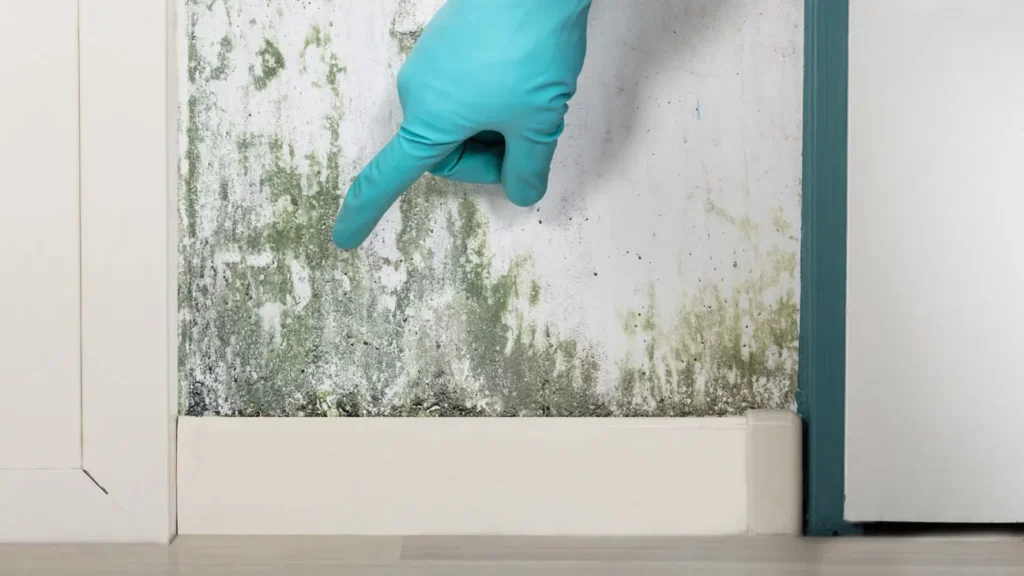
That peculiar musty odor wafting through your Dubai villa isn’t just unpleasant – it could be a warning sign of a serious health hazard lurking in your walls. While many homeowners dismiss that distinctive smell as just “humidity,” the reality is often more concerning.
Mold thrives in Dubai’s unique climate conditions, and what starts as a minor moisture issue can quickly escalate into a health crisis affecting your entire family. The combination of intense heat, high humidity during certain months, and heavily air-conditioned indoor environments creates the perfect storm for mold growth.
Why Dubai Villas Are Particularly Vulnerable to Mold Growth
Dubai’s climate presents unique challenges that many residents don’t fully understand. The extreme temperature differences between scorching outdoor heat (often exceeding 45°C) and aggressively cooled indoor spaces create condensation issues that most homeowners never see coming.
The humidity trap: During the summer months, outdoor humidity can spike to 90% or higher, especially in coastal areas like Dubai Marina or JBR. When this humid air meets your villa’s cold surfaces – think AC vents, windows, or poorly insulated walls – condensation forms. This moisture, often hidden behind walls or under flooring, becomes mold’s breeding ground.
Construction factors: Many Dubai villas, particularly in developments like Arabian Ranches, Emirates Hills, or Jumeirah Islands, were built rapidly during construction booms. Sometimes, proper moisture barriers weren’t installed correctly, or materials weren’t fully dried before installation. These hidden defects only become apparent when mold problems emerge.
The Hidden Health Risks Most Dubai Residents Overlook
The health implications of mold exposure extend far beyond a stuffy nose or occasional cough. What makes this particularly dangerous in Dubai is that residents often attribute symptoms to dust, sand, or air conditioning – missing the real culprit entirely.
Respiratory complications: Mold spores become airborne and circulate through your villa’s AC system, affecting every room. This is especially problematic in Dubai, where homes are sealed tight and rely heavily on recirculated air. Family members with asthma, allergies, or compromised immune systems face the highest risk.
Neurological symptoms: Perhaps most alarming are the cognitive effects that many people don’t connect to mold exposure. Brain fog, memory issues, difficulty concentrating, and unexplained fatigue are common but often misdiagnosed. In Dubai’s high-stress environment, these symptoms are frequently attributed to work pressure rather than home air quality.
Skin and eye irritation: The combination of mold exposure and Dubai’s already harsh environmental conditions can create a perfect storm of skin problems, persistent eye irritation, and respiratory distress.
Common Mold Hiding Spots in Dubai Villas You’re Probably Missing
Most homeowners look for mold in obvious places like bathrooms or kitchens, but in Dubai villas, the real problems often lurk elsewhere.
Behind kitchen cabinets: The space behind your kitchen cabinets, especially those against exterior walls, is a mold hotspot. Condensation from temperature differences combines with cooking moisture, creating ideal conditions.
AC ducting systems: Your villa’s extensive ductwork can harbor mold growth that spreads throughout the entire home. Many residents never think to inspect or clean these systems properly.
Master bedroom closets: Large walk-in closets, common in Dubai villas, often lack adequate ventilation. Combine this with humidity from ensuite bathrooms, and you have a recipe for mold growth behind hanging clothes and stored items.
Pool equipment rooms: If your villa has a pool, the equipment room is often overlooked. The combination of water, heat, and poor ventilation makes these spaces mold magnets.
Laundry areas: Especially in villas where the laundry room is located in a garage or basement area, inadequate ventilation combined with moisture from washing and drying creates perfect mold conditions.
What That Musty Smell Tells You About Your Indoor Air Quality
That distinctive musty odor isn’t just unpleasant – it’s your home’s early warning system. The smell indicates that mold is already established and actively growing, releasing volatile organic compounds (VOCs) into your air.
Timing matters: If the smell is stronger in the morning or after your villa has been closed up, it suggests that mold spores are accumulating in your indoor air overnight. This is particularly common in Dubai homes where AC systems cycle differently during cooler evening hours.
Location clues: Pay attention to where the smell is strongest. Ground floor areas, spaces near swimming pools, or rooms that feel consistently humid are prime suspects.
The Dubai-Specific Mistakes That Make Mold Problems Worse
Many well-intentioned homeowners worsen their mold problems through common misconceptions about Dubai’s climate.
Over-reliance on AC: While air conditioning is essential, running it constantly without proper humidity control can create moisture problems. Many Dubai residents set their thermostats too low, creating excessive condensation without adequate moisture removal.
Inadequate ventilation: To keep cool air in and hot air out, many villas are sealed too tightly. This prevents natural moisture regulation and traps mold spores indoors.
Ignoring maintenance schedules: Dubai’s sandy, dusty environment requires more frequent HVAC maintenance than many other climates. Clogged filters and dirty systems can’t properly control humidity levels.
Early Detection: When to Take That Musty Smell Seriously
Don’t wait for visible mold growth to take action. Here are the warning signs that a musty smell in your villa needs immediate attention:
Persistent odor: If the smell doesn’t go away with normal cleaning and ventilation, mold is likely established somewhere hidden.
Health symptoms: Family members experiencing unexplained respiratory issues, frequent headaches, or allergy-like symptoms that worsen at home.
Humidity issues: Rooms that feel consistently damp or humid, especially during Dubai’s cooler months when humidity should be manageable.
Water damage history: Any previous leaks, flooding, or water damage – even if seemingly minor – can lead to ongoing mold problems in Dubai’s climate.
Taking Control of Your Villa’s Air Quality
The musty smell in your Dubai villa shouldn’t be ignored or masked with air fresheners. Understanding the serious health risks and taking proactive steps to identify and address mold growth protects your family’s long-term health and your property investment.
Remember, mold problems rarely resolve themselves, especially in Dubai’s challenging climate conditions. Early detection and professional assessment can prevent minor moisture issues from becoming major health hazards that affect your family for years to come.