Living in Dubai means dealing with humidity levels that can make your home feel like a sauna, even with the AC running full blast. You’ve probably noticed that sticky feeling in the air, condensation on windows, or that musty smell that won’t go away. The culprit might be closer than you think – dirty AC coils could be sabotaging your battle against moisture.
When your air conditioning system’s coils are covered in dust, grime, and biological buildup, they can’t perform their dual job of cooling and dehumidifying your indoor air properly. This isn’t just about comfort; it’s about protecting your family’s health and your home’s integrity from the hidden dangers of excess humidity.
Understanding Your AC’s Role in Humidity Control
Your air conditioning system does more than cool the air. As warm, humid air passes over the evaporator coils, moisture condenses on the cold surface – similar to how water forms on a cold glass on a hot day. This condensed water drips into the drain tray and exits your home through the drainage system.
When coils are clean, this process works efficiently. The system removes significant amounts of moisture from the air while cooling it. However, when dust, dirt, and microbial growth coat these coils, the surface temperature becomes inconsistent. Some areas can’t get cold enough to condense moisture effectively, while other sections may freeze, disrupting the entire dehumidification process.
In Dubai’s climate, where humidity often exceeds 60% during summer months and can spike even higher during monsoon-influenced weather, your AC system needs to work overtime. A compromised coil means your system struggles to keep humidity at comfortable levels (ideally between 30-50%), leaving you with that clammy indoor environment no one wants.
How Dirty Coils Create a Humidity Nightmare
The connection between coil cleanliness and humidity control is straightforward but often overlooked. Here’s what happens when your coils accumulate buildup:
Reduced Heat Transfer Efficiency: The layer of dirt acts as insulation, preventing proper heat exchange. Your coils can’t get cold enough to condense water vapor effectively, leaving excess moisture circulating in your home.
Drainage System Problems: When grime builds up on coils, it often extends to the drain tray. This creates blockages or slows drainage, causing water to sit stagnant or even overflow back into your living space. In Dubai’s humid climate, standing water becomes a breeding ground for bacteria and mold within hours.
Uneven Cooling Patterns: Dirty coils create hot spots in your AC system. Some areas work harder than others, leading to ice formation in certain sections while other parts remain too warm. This disrupts the steady dehumidification process your home needs.
Air Flow Restriction: As buildup accumulates, air can’t flow freely across the coils. Less air contact means less moisture removal, even if the system is running continuously.
The Health Impact of High Indoor Humidity
When your AC can’t control humidity properly, your family’s health takes the hit. High indoor humidity creates perfect conditions for dust mites, which thrive in moisture levels above 50%. These microscopic creatures are primary triggers for allergies, asthma attacks, and respiratory irritation – especially problematic for children and elderly family members.
Mold and mildew growth accelerates dramatically in humid conditions. These fungi release spores that circulate through your home’s air, causing everything from minor allergic reactions to serious respiratory issues. For families with pets, the problem compounds – animals are more susceptible to fungal infections in humid environments, and their dander becomes more problematic when humidity levels rise.
The sticky, uncomfortable feeling of high humidity also disrupts sleep quality. Your body can’t cool itself efficiently through perspiration when the air is saturated with moisture, leading to restless nights and daytime fatigue.
What Professional AC Coil Cleaning Involves
A thorough AC coil cleaning service addresses the root causes of humidity problems. The process includes several components working together:
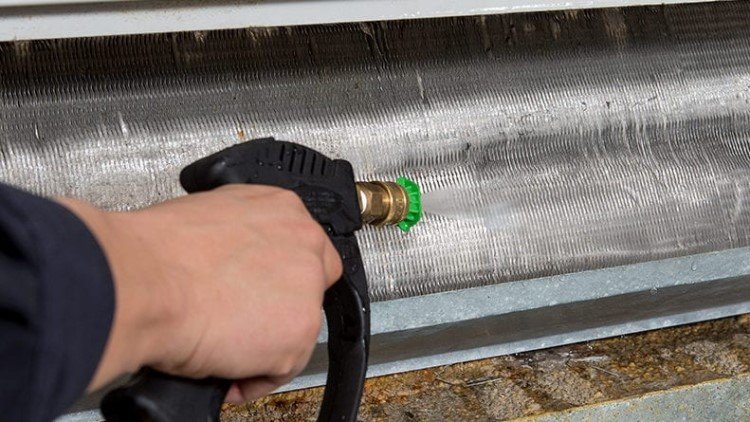
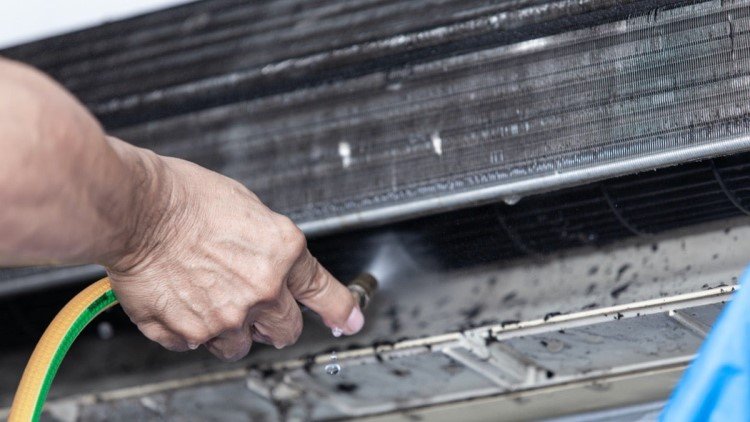
Technicians start by isolating the work area with protective covering, then remove panels or access covers to reach both evaporator and condenser coils. Using specialized chemical solutions designed for HVAC systems, they dissolve and remove the accumulated dirt, dust, biological growth, and mineral deposits that compromise coil efficiency.
The fan motor receives attention too – a clean motor operates more efficiently, maintaining proper airflow across clean coils. The drain tray gets sanitized to prevent future blockages and eliminate any existing bacterial growth. Finally, HVAC-specific disinfectants are applied to coil surfaces to inhibit mold and bacteria colonization between services.
This comprehensive approach addresses all the components that affect your system’s ability to control humidity effectively.
Dubai-Specific Challenges That Demand Clean Coils
Dubai’s environmental conditions are particularly harsh on AC systems. The combination of desert dust, high humidity from coastal proximity, and constant system operation creates the perfect storm for rapid coil contamination.
Fine sand particles carried by shamal winds penetrate homes despite best efforts to seal them. This dust combines with moisture in the air to form a paste-like coating on coils that’s particularly difficult for systems to overcome. The salt-laden air from the Arabian Gulf accelerates corrosion and buildup on metal components.
Most Dubai homes run their AC systems 8-12 months per year, far more than in temperate climates. This extended operation means faster accumulation of contaminants and less downtime for problems to become obvious before they affect your comfort and health.
Villa residents face additional challenges – larger spaces with multiple AC units mean more potential failure points. If even one unit in your home has dirty coils, it can’t handle its zone’s humidity load, forcing other units to work harder and potentially creating humid pockets in your home.
Practical Tips for Maintaining Healthy Humidity Levels
Between professional cleanings, you can take steps to support your AC’s dehumidification performance:
Replace or Clean Filters Monthly: In Dubai’s dusty environment, filters clog quickly. A blocked filter restricts airflow across coils, reducing dehumidification capacity. Set a monthly reminder to check and replace filters.
Check Drain Lines Regularly: Locate your AC drain outlet (usually outside) and verify water flows freely during operation. Slow or stopped drainage signals a problem that needs immediate attention.
Monitor Indoor Humidity: Inexpensive hygrometers let you track humidity levels. If readings consistently exceed 55%, your system isn’t keeping up – often an early sign of coil problems.
Don’t Overcool: Setting your thermostat extremely low doesn’t improve dehumidification. In fact, it can cause coils to freeze, stopping moisture removal entirely. Keep temperatures between 22-24°C for optimal performance.
Maintain Clearance Around Units: Keep furniture, curtains, and storage away from indoor units. Blocked airflow prevents proper coil function and humidity control.
Frequency Recommendations for Dubai Homes
Given Dubai’s demanding conditions, annual coil cleaning represents the minimum for maintaining effective humidity control. Homes with pets, smokers, or residents with allergies benefit from twice-yearly service. If you notice humidity problems, musty odors, or visible mold around vents, don’t wait for your scheduled service – address it immediately.
Consider the number of AC units in your home when planning maintenance. Most Dubai homes have multiple units, and having them all serviced during the same visit makes logistical and financial sense.
| Units | Service Scope |
|---|---|
| 1-2 Units | Small apartments, studios |
| 3-4 Units | Standard 2-3 bedroom apartments |
| 5-6 Units | Villas, large apartments |
Complementary Services for Complete Home Comfort
Clean coils work best as part of a comprehensive maintenance approach. Duct cleaning removes accumulated dust and mold from your air distribution system, preventing contaminants from being blown back across freshly cleaned coils. Professional duct cleaning every 2-3 years complements annual coil maintenance.
Filter replacement services maintain the first line of defense against coil contamination. Some providers offer subscription programs that deliver filters to your door on schedule – convenient and effective for busy Dubai lifestyles.
For persistent humidity issues, consider having your system’s refrigerant levels checked. Low refrigerant reduces coil temperature, compromising moisture removal even when coils are clean.
Recognizing When Access Panels Are Necessary
Some AC installations make coils difficult or impossible to reach without creating access points in ceilings or walls. This is common in older Dubai properties or where contractors prioritized aesthetics over serviceability during installation.
While creating access panels adds upfront cost, it’s an investment in long-term system performance and home health. Without proper access, technicians can’t thoroughly clean coils, meaning humidity problems persist despite service attempts. If your technician recommends access panels, consider the benefit of enabling proper maintenance for years to come.
Conclusion
Your battle against Dubai’s humidity starts with clean AC coils. By maintaining these components through regular professional service, you’re not just improving comfort – you’re protecting your family’s health, preserving your home, and reducing energy waste. Pay attention to how your home feels, watch for warning signs, and don’t let contaminated coils turn your refuge into a humid, unhealthy environment. A proactive approach to coil maintenance keeps your Dubai home dry, comfortable, and healthy year-round.